June's 12 Best Pieces of Gear
June’s gear signal is not subtle: Treeline Review says its readers pushed hard into quality outdoor gear in June 2026, with running and biking equipment still trending.
Clay Masterson, Backcountry Conditioning Expert & Gear Pragmatist·updated July 03, 2026
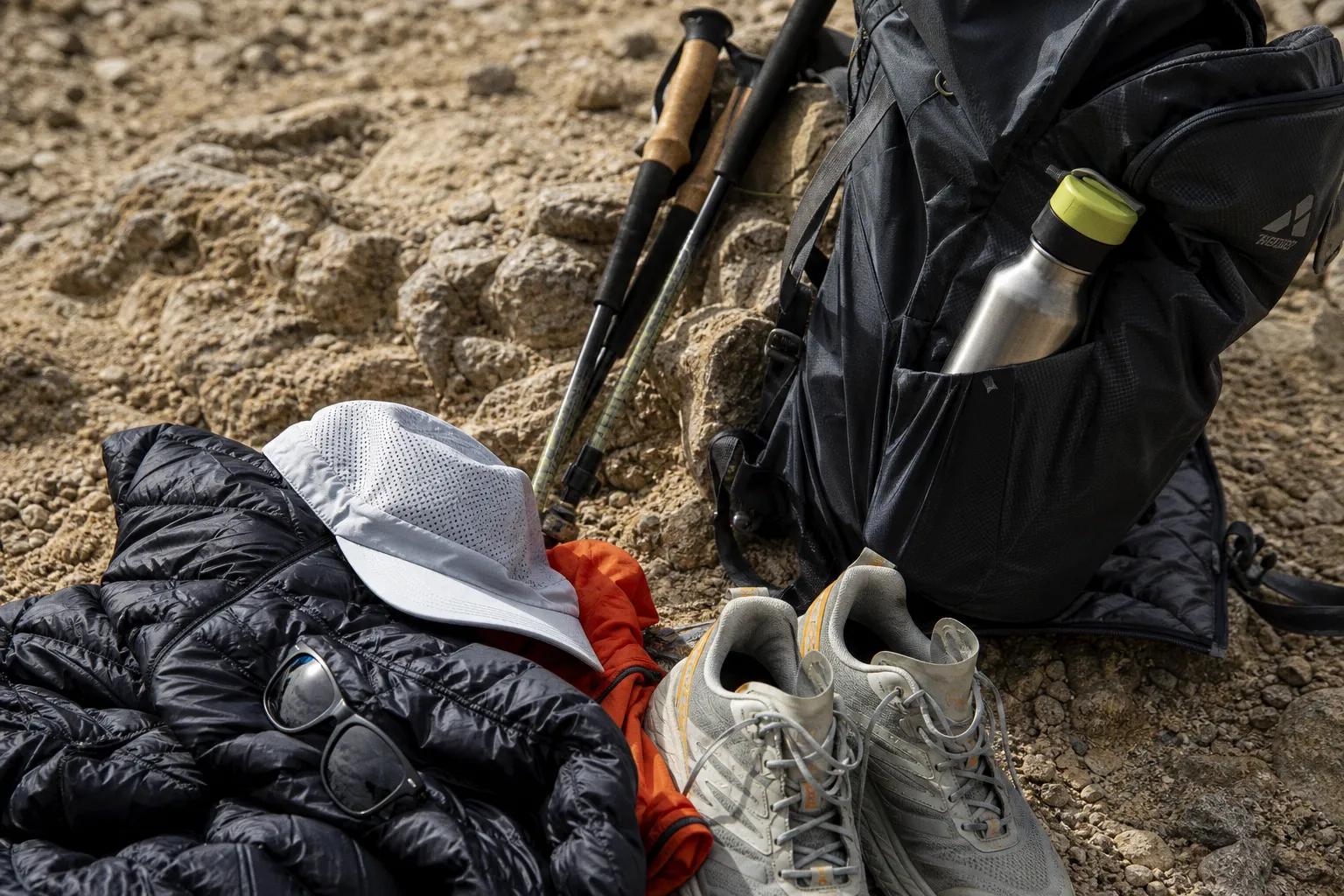
The June basket is built around motion, heat, and family miles
Treeline Review compiled its top 12 outdoor gear items for June 2026 from reader purchases, and the pattern is useful even without turning it into a shopping altar. The source points to continued interest in running and biking gear, plus summer staples: water shoes, sunscreen, SPF lip balm, child hiking carriers, kids’ life jackets, family camping tents, dog life jackets, car seat covers, electrolytes, trail meals, hiking underwear, and socks.
That is not random. That is the summer friction map.
Feet get wet. Skin gets blasted. Kids need carrying. Dogs come back soaked. Underwear and socks become the difference between steady cadence and a shredded day. I don’t care how shiny your pack is — if your base layers stay swampy and your socks grind, your kinetic chain starts compensating. First stride shortens. Then the hips torque. Then the knee complains. Then you call it “bad luck.”
Treeline also flags products connected to its own review winners: waterproof hiking boots, women’s hiking boots, men’s and women’s hiking shoes, merino pieces in hiking sports bras and women’s underwear, and satellite messengers and personal locator beacons, including its Garmin inReach Mini 2 review. Take that as a category signal, not a command to buy a specific thing. The job is simple: protect the contact points, manage moisture, and keep communication alive when cell service quits.
Don’t confuse popular with prepared
Treeline says its list is based on what readers bought, and it also notes the site may earn affiliate commission from purchases. Fine. That does not make the data useless. It just means you read it with your boots on and your brain engaged.
The useful takeaway is not “these are the 12 sacred objects.” The useful takeaway is that people are spending on gear that survives real summer use. Footwear. Running apparel. Bike-adjacent kit. Hydration support. Food that people will actually eat. Family and dog safety pieces. Small comfort items that prevent big morale failures.
Here’s how I’d apply it before your next trail block.
If you’re ramping trail running, check the stuff that touches skin first: socks, underwear, sports bra, shirt. Chafe is not a personality test. It is load, sweat, fabric, and repetition. Fix it.
If you’re hiking with kids, don’t romanticize the load. A child carrier changes balance, stride length, braking mechanics, and heat management. Train with weight before you haul it into a long day.
If you’re adding water, dogs, or family camping, build around containment and recovery: life jackets where appropriate, dry layers, clean transport, food people will eat when tired, and enough sun protection that nobody gets cooked by noon.
If you’re pushing farther out, the satellite messenger and PLB category deserves attention. Not because gadgets make you tough. Because communication is part of the plan when terrain, weather, or injury breaks the script.
The wider trail picture is getting messier
Backpacker’s mid-year look at 2026 hiking trends adds the part gear lists usually miss: trails are not static playgrounds. The magazine points to disruptions on long-distance trails, changes in how national parks operate, and more headline-grabbing conflicts between hikers and wildlife. It also notes drones are now standard equipment for search and rescue teams around the country.
That context should change how you pack and train.
Access can shift. Crowds can bottleneck. Wildlife incidents can dominate headlines even when experts caution against reading too much into short-term clusters. Your response should not be panic. It should be competence.
Carry the navigation tools you know how to use. Keep your pace honest. Don’t let a new shoe or pack debut on the biggest objective of the month. Build your downhill braking mechanics before the steep descent exposes them. Know your exit options. Keep your group’s weakest member in the plan, not as an afterthought.
GMA Network also reports that the running community in the Philippines continues to grow. That is a small snippet, but it matches the bigger direction: more people are moving outdoors, more often, in more places. Good. But more bodies on trail means more demand on gear, etiquette, access, and basic fitness.
June’s gear story is not about buying more. It is about buying less stupid. Start with the failure points: feet, skin, heat, hydration, communication, load carriage. Then train with the kit until it disappears into the work. That is the standard. Everything else is just retail noise.