We Ran in Hundreds of Shoes to Find the 15 Best Pairs for Training, Racing, Trails, and More
Hundreds of shoes. Fifteen picks. That is the useful part of Runner’s World’s latest shoe list: not the trophy language, not the affiliate noise, but the hard sorting into training, racing, and trail.
Clay Masterson, Backcountry Conditioning Expert & Gear Pragmatist·updated July 08, 2026
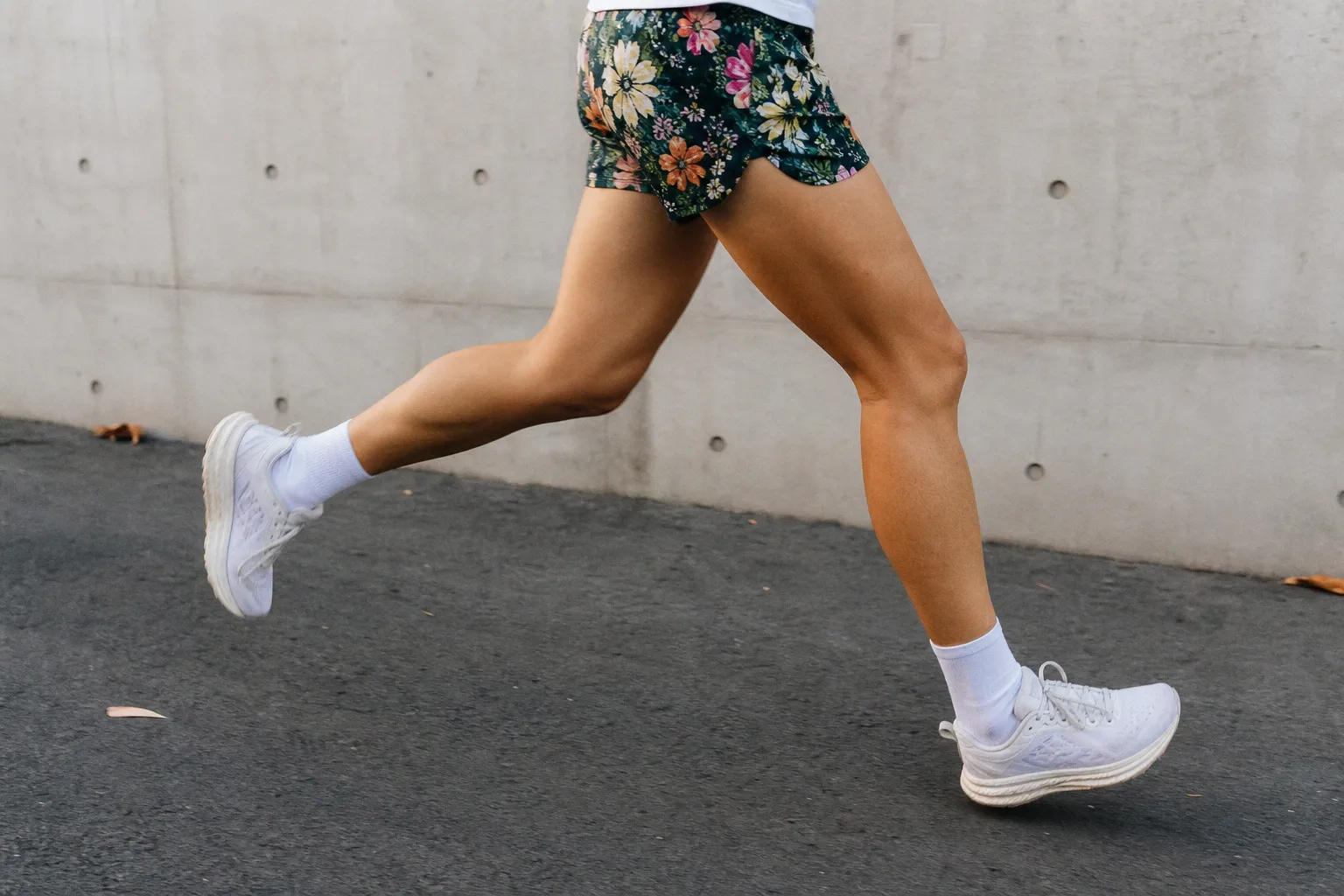
The real news: tested shoes, not spec-sheet theater
Runner’s World says its updated list pulls from hundreds of shoes tested across the year, with selections shaped by staff testing, editor input, and wear-tester feedback. The guide groups the picks into three buckets: training, racing, and trail.
That is the right framework. A daily trainer should disappear under you for steady mileage. A racing shoe can be sharper, more aggressive, and less forgiving. A trail shoe has to manage grip, foot security, and uneven load without turning every descent into ankle roulette.
Runner’s World also says its broader testing operation includes more than 300 local wear-testers, with testers logging at least 100 miles in each shoe. The selections are based on fit, feel, and ride. That does not make the list gospel. It does make it more useful than a launch-day press release with foam buzzwords stacked like firewood.
The current top overall pick named in the source is the Adidas Adizero Evo SL. Runner’s World points to its Lightstrike Pro foam, no carbon-fiber plate, and a nylon shank in the midfoot for stability. The stated use case is wide: daily training, speed workouts, long runs, and track laps. In plain runner language: one shoe trying to cover a lot of ground without going full race-day weapon.
Training shoes still need a job description
The same news cluster also flags Reebok’s Nano Gym 2.0, covered by Yahoo and Gear Patrol. This is not being framed as a trail runner. It is a gym shoe. That distinction matters.
According to the report, Reebok positions the Nano Gym 2.0 as its “most versatile gym shoe yet.” The sequel swaps standard EVA foam for Reebok’s Floatpulse midsole, with the aim of better energy return for explosive work. The upper has been simplified, cutting weight by around 25 percent from the previous version, while keeping the same 8mm heel drop. The shoe also keeps elements like the Performance Comfort collar and Flex Groove rubber outsole.
Useful? Maybe. But only if you use it for the right work.
HIIT, circuits, box jumps, short sprints, general gym chaos — that is the lane described in the source material. If your training week includes strength work to support trail running, this kind of shoe can make sense. Stable enough for mixed movement. Lighter than before. Built for sessions where your foot has to brace, push, cut, and reset.
But do not confuse “versatile” with “ready for everything.” A gym shoe is not automatically a trail shoe. It is not automatically a long-run shoe. The outsole, ride, and protection demands are different when you are hauling downhill over dirt, roots, and rock with fatigue chewing through your form.
What I would actually watch before buying
The big takeaway is not “buy the winner.” That is lazy. The takeaway is to match the shoe to the stress.
If you are building mileage, start with the training category. You want a ride that lets your cadence stay clean when fatigue shows up. If you are racing, accept that a faster shoe may ask more from your calves, feet, and mechanics. If you run trails, prioritize control. Grip and lockdown beat pretty foam when the ground starts torquing under you.
Runner’s World says prices fluctuate and shoes sell out fast, and it notes that older iterations may be discounted. That is where smart runners can win. Last season’s shoe that fits your stride beats this season’s hyped shoe that shreds your kinetic chain.
For the Nano Gym 2.0, the practical question is simpler: do you need a dedicated gym shoe for strength and conditioning, or are you trying to make one pair cover road runs, trail miles, and lifting? If it is the latter, stop forcing it. Shoes are tools. Use the wrong tool long enough and your body sends the invoice.
I like seeing big shoe lists when they are built from mileage, not marketing copy. But the final filter is still yours: fit, terrain, workload, and how your legs feel after the session — not during the first five flashy minutes.