You Don’t Need to Spend $500 for a Great Running Watch. See the Basic Picks We Run With Everyday.
You don't need a $500 wrist computer to train smarter. Most runners chasing marginal gains on a budget watch are solving the wrong problem.
Clay Masterson, Backcountry Conditioning Expert & Gear Pragmatist·updated July 05, 2026
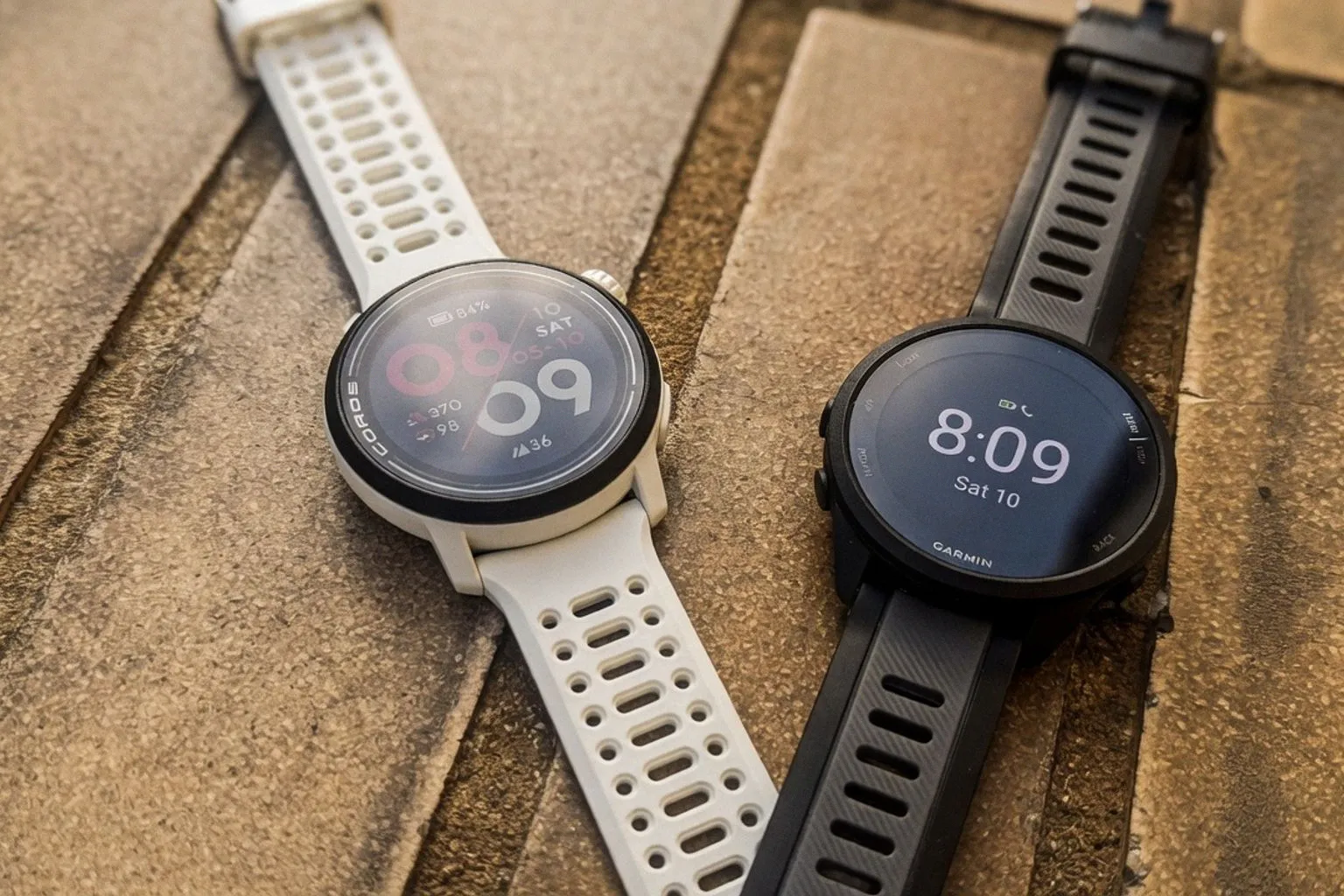
Runner's World just published their roundup of the best basic running watches, and the takeaway is blunt: hobbyist runners don't need to mortgage a weekend for advanced metrics. Pace, heart rate, and reliable GPS tracking cover ninety percent of what moves the needle on your training. If you can't tell the difference between 155 and 156 bpm without staring at your wrist, you don't need that resolution. Spend the $300 you saved on actual trail time.
The Standout: Coros Pace 4
The watch that earned "Best Value" honors in Runner's World's overall guide is the Coros Pace 4, and it's the one I'd point a new trail runner toward first. Here's what matters.
Battery that doesn't quit. Up to 31 hours in max GPS mode. Roughly 24 with the always-on AMOLED display. That's a full ultramarathon plus recovery miles before you hunt for a charger. Compare that to phones dying at hour four.
GPS that doesn't lie. Dual-frequency tracking keeps your route honest through tight singletrack, canyon walls, and dense tree cover where cheaper chips wander off into the next county. Your mileage log stays clean. Your pacing data stays trustworthy.
The metrics that actually count. Running power, ground contact time, left/right strength balance. These aren't vanity stats. Ground contact time tells you if your cadence is collapsing on descents. Left/right balance flags asymmetries before they become IT band nightmares. If you're rehabbing an injury or dialing in form, these numbers earn their keep.
The voice log feature. This one's clever. You talk into your watch post-run, it transcribes into the Coros app. No more sitting down to write three sentences about how your knees felt on the climb. Training notes happen while the sensations are still fresh.
What You're Paying $500+ For (And Why You Probably Don't Need It)
Premium watches sell you on features most runners never touch. Advanced training load algorithms. Recovery scoring built on proprietary formulas. Maps you can scroll with a touchscreen while your hands are shaking from a hard effort.
None of that replaces the fundamentals: consistent mileage, progressive overload, and paying attention to how your body responds. A $200 watch tracks the numbers that drive those decisions. A $600 watch tracks the same numbers plus a dozen you won't use in the first six months.
If you upgrade later, you'll know exactly which features you actually want because you've lived without them. That's how gear buying works when you skip the hype cycle.
The Real Cost of Over-Gearing
Every dollar you drop on a watch you don't need is a dollar not spent on trail entry fees, quality nutrition, or the shoes that prevent the next overuse injury. The running economy is rigged to make you feel incomplete without the latest flagship. You're not incomplete. You're just being sold to.
Start basic. Run the data. Earn your upgrade the hard way — by outgrowing what your current watch can tell you. That's when the expensive gear earns its price tag. Not before.
The other side of the budget equation is footwear. Adidas is running 30% off the Zenboost through July 6 with code SAVE, dropping the well-cushioned trainer to $56. On Cloud options are hitting $70 at Zappos. Both solid picks for stacking easy road miles between trail sessions without torching your trail shoes on pavement.
None of it replaces the work. But it stops being an excuse.