Fitbit Air Review 2026 Reveals If New Fitness Tracker Is
A new item circulating from chshyd.in frames the “Fitbit Air” as a lightweight fitness tracker aimed at core wellness tracking, not a full-blown high-end smartwatch.
Clay Masterson, Backcountry Conditioning Expert & Gear Pragmatist·updated July 13, 2026
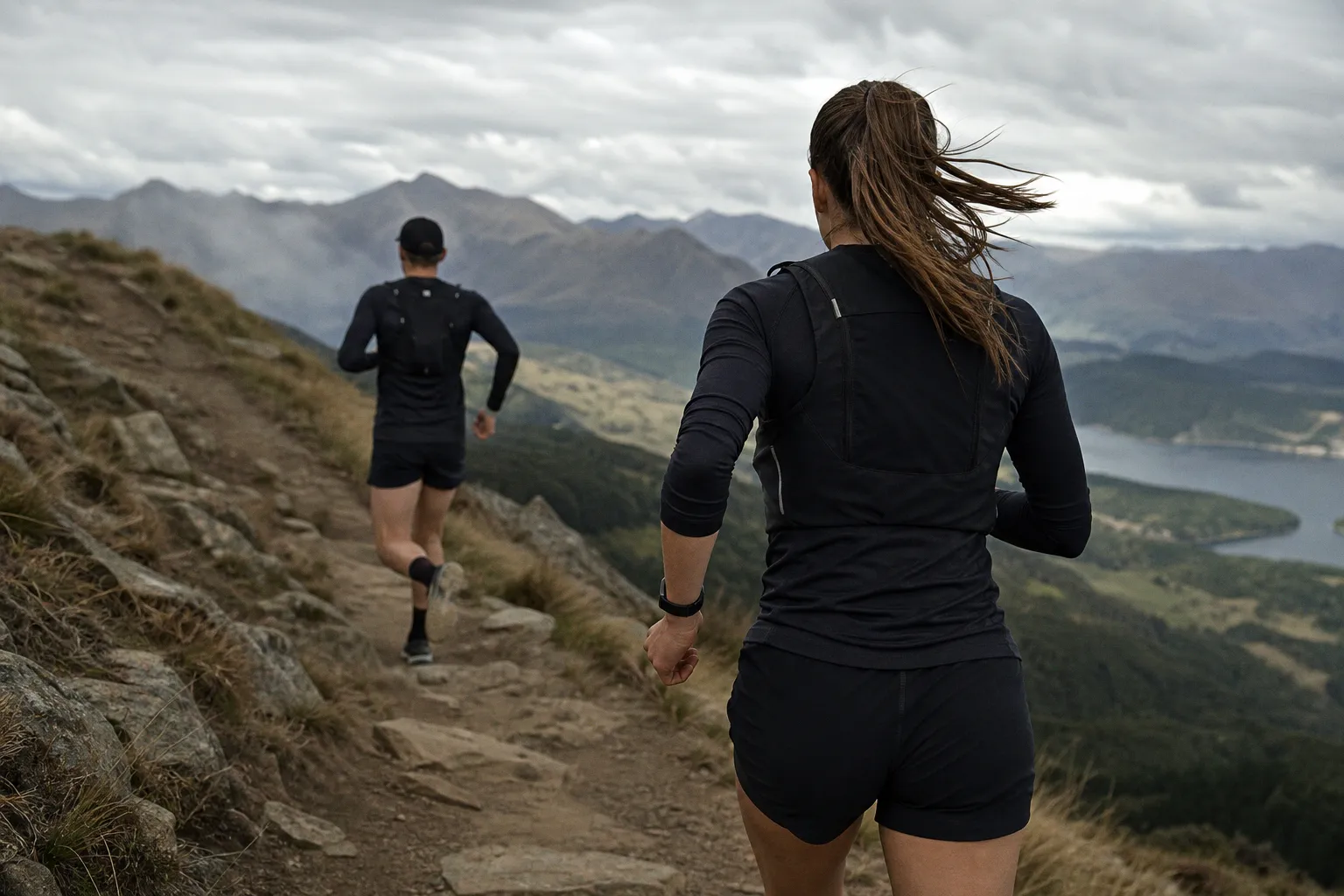
The pitch is simplicity, not athlete-grade dominance
The report describes Fitbit Air as a lightweight wearable gaining attention for health monitoring, activity tracking, and smart features. The emphasis is basic but relevant: everyday movement, sleep patterns, heart activity, workouts, and general fitness progress.
That is not nothing. For most outdoor athletes, the weakest link is not a missing “pro” metric. It is inconsistency. You train hard for three days, sleep badly for two, hike on tired legs, then wonder why your cadence falls apart on the climb. A tracker that quietly logs movement, sleep, and heart-related data can help you spot that grind before it shreds your week.
But do not confuse wellness tracking with a mountain training system. The source does not confirm trail-specific navigation, advanced running dynamics, mapping, altitude tools, or detailed performance analytics. If you need deep athlete data, the same report notes Garmin as the kind of brand that caters to users who want more detailed performance information. That distinction matters. Buy the tool for the job, not the logo on the box.
Comfort and battery are the real backcountry tests
The most useful detail in the report is the practical one: battery life and comfort are presented as key buying factors, with the Fitbit Air described as light enough for all-day and overnight use. The source also says longer battery life would add convenience by reducing how often users need to remove the device.
That is where wearables either earn their keep or get dumped in a drawer.
If a tracker is bulky, you stop wearing it to sleep. Then your recovery picture gets chopped in half. If it needs constant charging, you take it off before a long day, forget it at home, and lose the exact training block you wanted to measure. If the band rubs under pack straps, gloves, sweat, dust, and rain layers, it becomes dead weight.
For trail runners and hikers, continuous tracking beats flashy menus. I care less about a device having every smartwatch trick and more about whether it can stay on through a normal training rhythm: workday, evening run, sleep, early hike, repeat. The report positions fitness trackers as having an edge over smartwatches in efficiency because smartwatches can drain battery faster with advanced features. That is plausible as a category argument, but the actual Fitbit Air numbers are not provided here. So hold the hype until real testing shows charge behavior under daily wear.
What I would verify before trusting it on trail
The report says Fitbit’s edge has traditionally been a straightforward health platform and wellness tracking. It also says the Fitbit Air would need accurate measurements, useful insights, and competitive pricing to stand out in a crowded market that includes Apple, Garmin, Samsung, and Xiaomi.
That is the checklist. Not the marketing copy.
First: measurement quality. Heart data that jumps around during hill repeats is not coaching. It is noise. Sleep data that helps you see a trend can be useful. Sleep data treated like gospel is a trap.
Second: app quality. The source notes that in 2026 buyers will likely care not just about hardware, but also the companion app and ongoing software support. Good. Because raw numbers without usable trends are just digital gravel in your shoe.
Third: fit under real movement. Trail running torques the wrist. Hiking poles change arm swing. Cold-weather layers press on straps. A light tracker has an advantage only if it stays stable without biting into skin.
So, if the Fitbit Air does land as described, I would treat it as a possible daily training-awareness tool, not a replacement for a serious mountain watch. Use it to monitor habits, recovery patterns, and general workload. Use something more specialized if your routes, pacing, elevation, and performance data carry real consequences.
The wilderness does not care that your tracker is popular. Your knees, lungs, and recovery system care whether the data helps you make better calls. That is the only review that matters.