Garmin Cirqa Leak Hints at a Screen-Free Health Tracker for Athletes
According to Forbes, Garmin’s unannounced Cirqa wearable briefly appeared in a model list on Garmin’s own Romanian support site before the reference was removed.
Clay Masterson, Backcountry Conditioning Expert & Gear Pragmatist·updated July 19, 2026
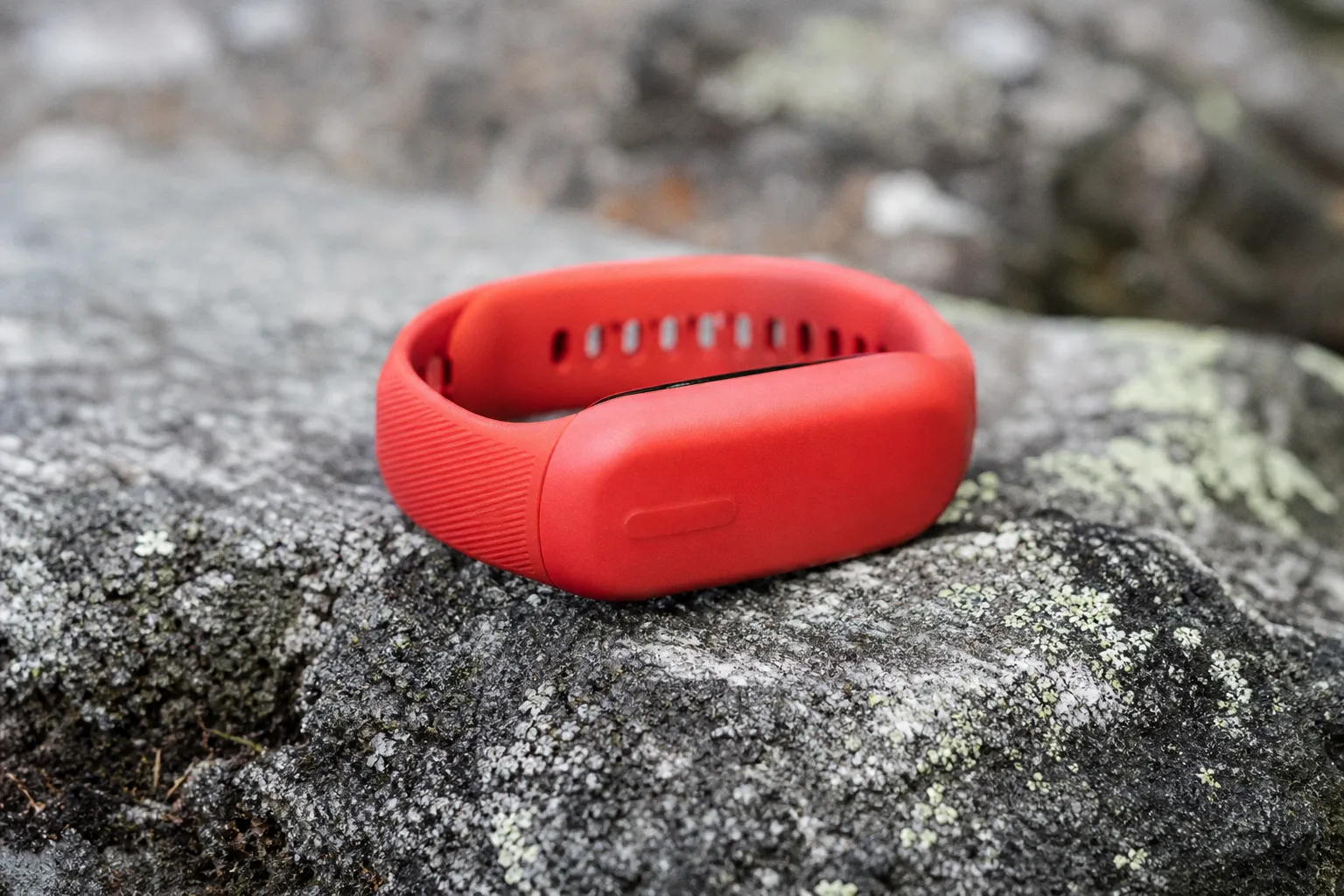
That matters to trail runners because Cirqa looks positioned as a screen-free health tracker—not another wrist computer demanding attention mid-climb. But don’t confuse another stream of readiness data with better training. The work still has to get done.
A screenless band changes the job, not the basics
Forbes reports that the support-page reference points to Garmin Health Status support. The feature brings together heart rate, heart-rate variability, Pulse Ox, breathing rate and skin-temperature data.
That is a useful cluster for runners who already grind through long blocks, high vert and inconsistent sleep. It can help turn a vague “I feel cooked” into a pattern worth noticing. Elevated strain markers, disrupted sleep-related signals, or a recovery trend moving the wrong direction can justify backing off before a hard downhill session shreds your legs.
But it should not run your training plan.
A band cannot assess whether your cadence falls apart on steep grades, whether your pack load is torquing your hips, or whether you are simply avoiding the hill work you need. Metrics are a flag. Your movement, soreness, fatigue and recent workload are the full picture.
The potential appeal: less distraction on the trail
The Cirqa is expected to be screen-free, according to Forbes. For athletes already using a Garmin watch for navigation, pace, elevation and route tracking, that division makes sense: the watch handles the session; the band could handle the background health data.
That is cleaner than wearing another device that buzzes, flashes and begs to be checked while you are trying to hold form on technical ground. Trail running is already full of inputs—foot placement, breathing rhythm, grade, weather, fuel. You do not need a tiny dashboard turning every easy run into a lab experiment.
The real test will be whether Cirqa adds useful context without creating more noise. A recovery signal is only valuable if it helps you make a sharper decision: keep the easy day easy, delay intensity, fuel better, sleep longer, or stop pretending accumulated fatigue is “mental weakness.”
What to watch before getting excited
Garmin has not officially acknowledged Cirqa, Forbes notes. Geeky Gadgets reports that regulatory filings and app teardowns indicate an imminent launch for a screenless stress-tracking wearable called CIRQA, with expectations around July 19. Treat that timing as a report, not a promise.
For now, the practical question is not whether Garmin can collect more body data. It can. The question is whether the device presents it in a way that supports load distribution across a training week instead of encouraging athletes to chase daily scores.
If Cirqa arrives, judge it by one hard standard: does it help you train with better restraint when the kinetic chain is already carrying too much fatigue? If not, it is just another band on your arm while the trail keeps asking the same honest questions.