Neutral Trail Running Shoes
The chatter about neutral trail runners is back. Trend Hunter’s mentioning them. For us, that’s not a gear-spec headline—it’s a reality check on how we load our feet on broken terrain.
Clay Masterson, Backcountry Conditioning Expert & Gear Pragmatist·updated July 14, 2026
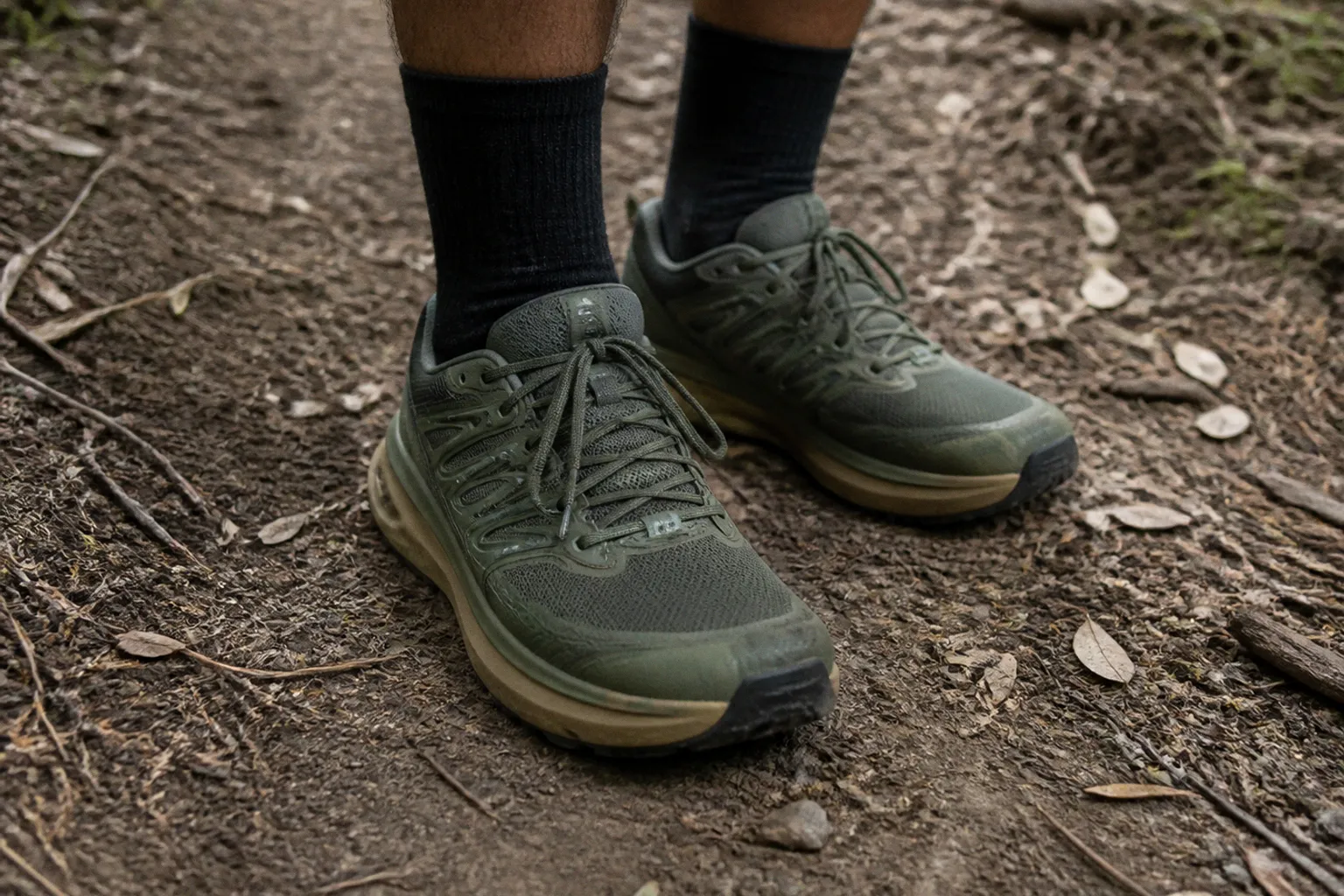
The Neutral Argument: Function Over Hype
Neutral shoes strip away the marketing. No posts, no guiderails. It’s your foot’s job to manage the ground reaction forces. That means a more direct feel for the trail, yes, but it also means your ankles and stabilizers have to work harder. This isn’t about minimalist purism; it’s about honest load distribution. If your cadence and foot strike are sloppy, neutral shoes will let you know—fast.
What This Means for Your Backcountry Prep
For conditioning, this is critical data. Running in neutral shoes is a form of proprioceptive training. It forces your kinetic chain to fire correctly without a crutch. Think of it as technique work embedded in every mile. If you’re logging big vert, you need that strength from the ground up. The question isn’t “are they plush enough?” but “does my body have the mechanics to handle the torque?”
The Gear Pragmatist’s Takeaway
Watch the market, but think in terms of your body’s feedback. If a neutral shoe feels like a slab of rock under your foot, your running economy is probably terrible. The right neutral shoe should disappear, letting you focus on the push-off and the recovery, not on cushioning specs. The trend is a reminder: gear should serve your movement, not compensate for its absence. Train the system first.