Why Millions Are Swapping Beaches for Running Shoes: How the ‘Race-Cation’ Trend Is Changing Travel Forever
A vacation built around a run is not a beach trip with sneakers thrown in. Travel And Tour World is framing the rise of the “race-cation” as a shift where millions are choosing running shoes over traditional beach downtime.
Clay Masterson, Backcountry Conditioning Expert & Gear Pragmatist·updated July 02, 2026
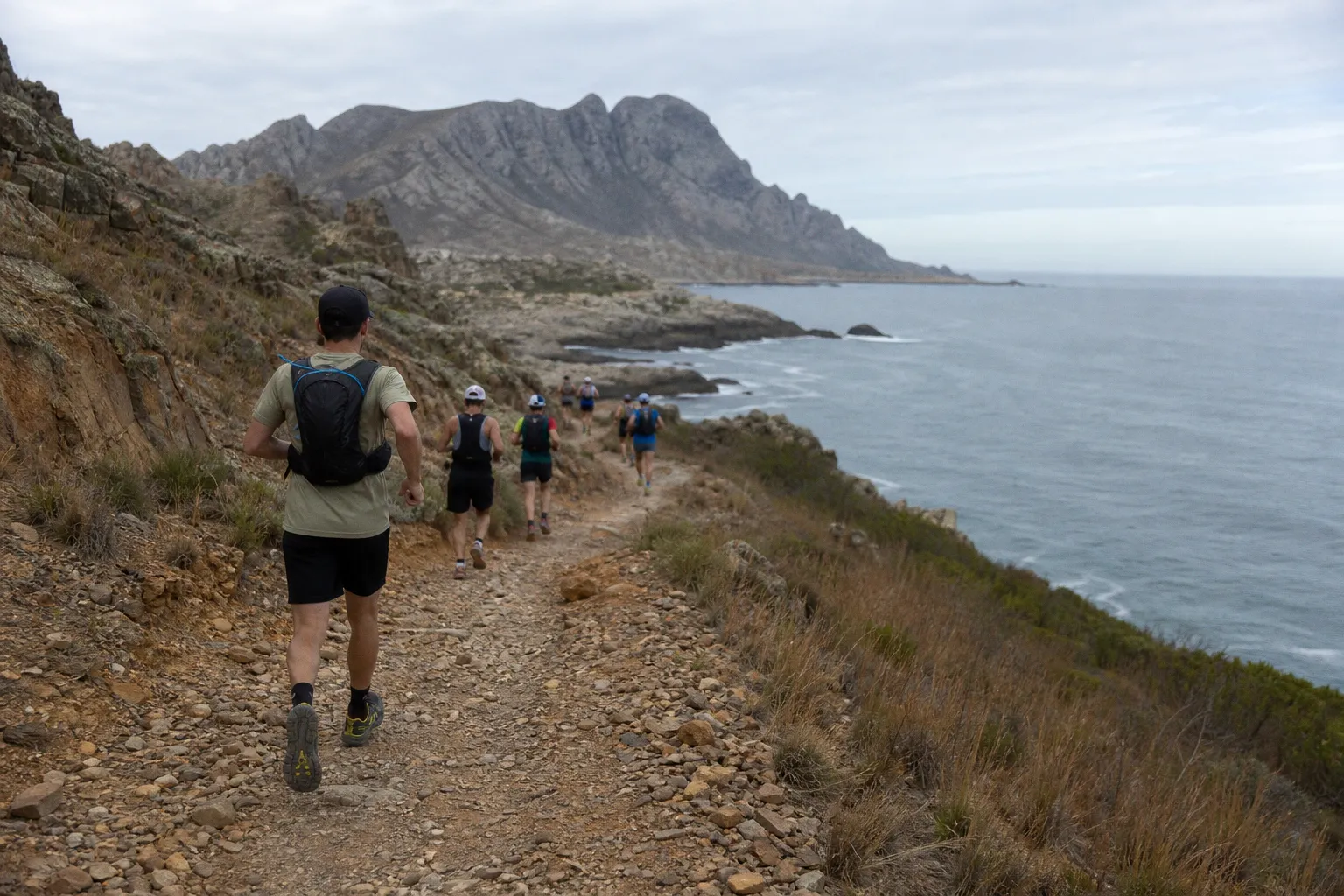
The race-cation is a training decision, not just a travel trend
The reported trend is simple: people are planning trips around running, not just packing running gear as an afterthought. That is a real shift in mindset. The run becomes the anchor. The destination bends around it.
Good. But don’t romanticize it.
For related context, see New Greek Heritage Site Fire Rules Impacting Travel Plans.
For related context, see Best discreet, non-watch fitness trackers without a screen.
If you treat a race-cation like a normal holiday, you’ll probably sabotage the reason you went. Travel stiffens hips. Airports chew up sleep. New routes torque the kinetic chain differently. A “fun” destination run can still grind your calves, quads, feet, and connective tissue if you arrive underprepared.
This is where runners need to get less dreamy and more mechanical. Ask the basic questions before booking: What kind of surface will you run on? How much climbing or descending is involved? Are you racing, training, or just logging miles somewhere new? Those are different stress profiles. Your body knows the difference even if your calendar app doesn’t.
Shoes are getting dragged into the travel plan
The second signal in this news cluster is gear-adjacent: Athlon Sports reported that On’s “light and super cushioned” running shoes are 41% off. That is not a race-cation story by itself, but it fits the moment. When running becomes part of travel, footwear stops being a casual packing item.
Do not buy a discounted shoe and make it your trip shoe without testing it first. That is rookie math. A cushioned road shoe might feel great walking through an airport and still be wrong for rough trail, wet rock, off-camber dirt, or long downhill braking. Light can be useful. Cushion can be useful. Neither word tells you whether the shoe matches your route, stride, load distribution, or fatigue pattern.
Here’s the field rule: the shoe you travel with should already have earned trust. Not in a product photo. Not in a sale headline. On your feet. Under sweat. At your real cadence. If it rubs, slips, collapses, or changes your mechanics at home, it will not magically become loyal on the road.
What to watch before you book the run-first trip
The race-cation trend is useful if it pushes runners to build trips with intent. It gets ugly when people bolt a hard effort onto a travel schedule and call it adventure.
Plan the trip around recovery as much as the run. That means leaving space before and after the effort. Not because you’re fragile. Because performance has inputs, and travel disrupts most of them.
Pack like a runner, not a tourist pretending to be one. Bring the kit you have already tested. Keep your footwear decision boring. Boring gear is usually the gear that gets you home without shredded heels or angry knees.
And be honest about the goal. If the trip is about racing, train for the course demands. If it is about exploring, back off the pace and protect the engine. If it is about both, accept the compromise before your legs make it for you.
The “race-cation” label may be new packaging, but the body doesn’t care about labels. It cares about load, terrain, preparation, and recovery. Get those right, and running can make travel sharper. Get them wrong, and you just bought an expensive limp.