Why Your Fitness Tracker Should Be a Tool, Not a Final Authority
According to The New York Times, 52 fitness trackers tested since 2015 still produced no perfect record of every metric.
Clay Masterson, Backcountry Conditioning Expert & Gear Pragmatist·updated July 26, 2026
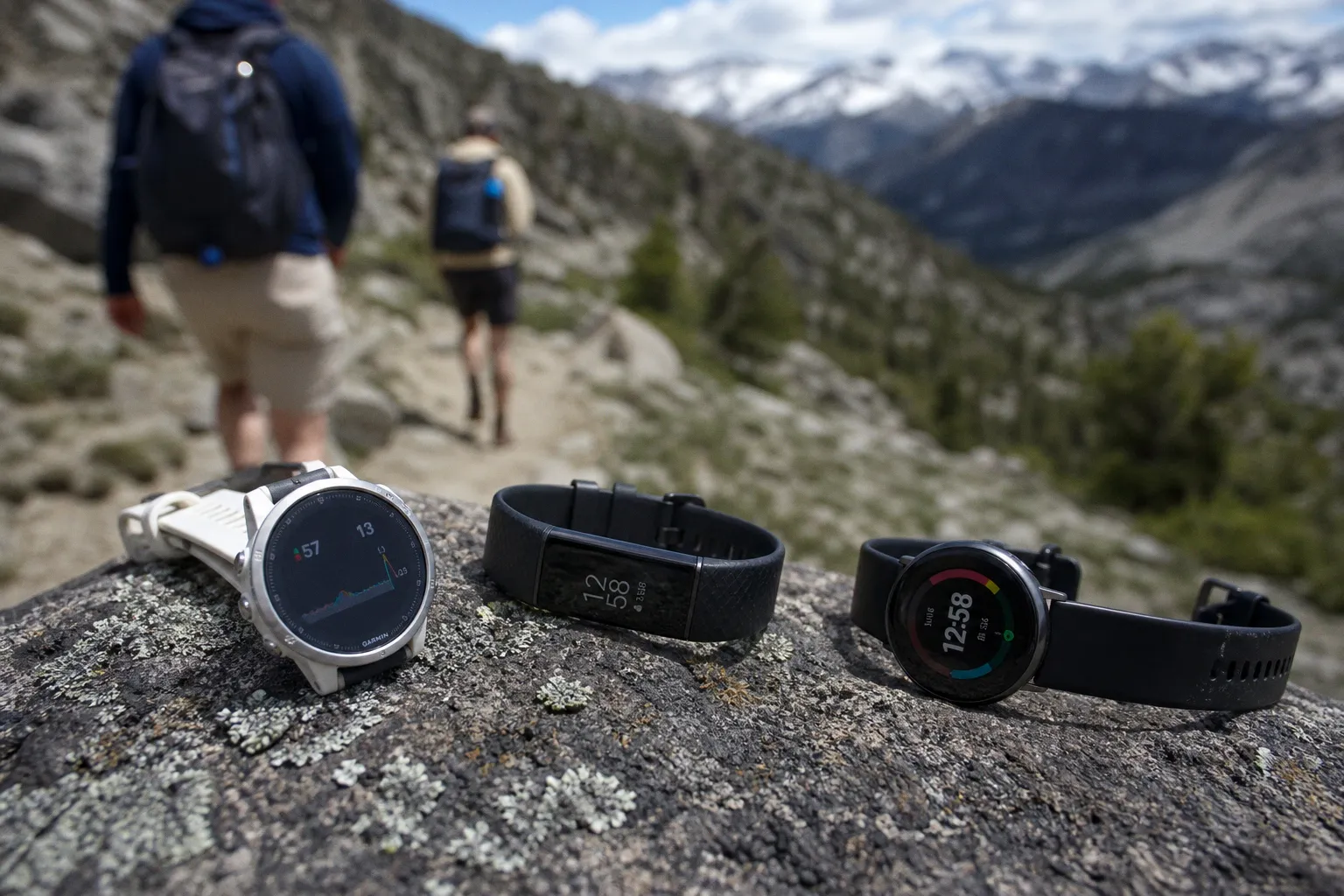
That is the number trail runners and hikers need to remember before they start treating a wrist display like a coach, a map, and a lab report. A tracker is useful when it helps you manage work, recovery, and route data—not when it gives you another excuse to ignore what your legs are telling you.
Accuracy is the floor, not the finish line
The Times tested trackers for accuracy, battery life, comfort, ease of use, and customization. Its process included wearing each device for two straight days, comparing step counts with a known-precise pedometer, putting them through walking, jogging, running, lifting, and stretching, and checking heart-rate readings against a chest strap twice.
That is the right order of operations. A watch can pack in automatic exercise detection, sleep estimates, stress features, and personalized workout programming. Fine. But if it is uncomfortable under a pack strap, dies before the long day is over, or turns every glance at your wrist into screen-fighting, the feature list is dead weight.
For outdoor training, clean data beats endless data. Your cadence, heart rate, distance, and time only matter if they help you control load distribution and effort. They do not replace pacing discipline on a climb or sound downhill mechanics when your quads are already getting shredded.
Fitbit’s split decision matters on the trail
The Times named the Fitbit Inspire 3 its best option for most people tracking daily activity. It was the most accurate tracker for step count in its testing and ranked near the top in other tests. The device tracks distance, steps, heart rate, and estimated calories burned; it also stayed comfortable during workouts and day-to-day wear.
There is a trade-off hikers should not shrug off: the Inspire 3 uses phone-connected GPS. If your training means local loops with your phone in a vest or pocket, that may be enough. If you want route tracking without hauling a phone, it is not the same tool.
The Fitbit Charge 6 adds built-in GPS, plus a haptic side button that the Times found easier for screen navigation than touchscreen swiping. It also offers access to Google Maps, Google Wallet, and YouTube Music with a subscription. But the Times found the Inspire 3 performed better when tracking distance. That is a useful reminder: more hardware does not automatically mean better execution.
Both models are listed as water resistant to 50 meters. The Inspire 3 advertises up to 10 days of battery life, though the Times found it fell noticeably short. The Charge 6 advertises up to seven days. Advertising is not field time. Start long outings charged, and do not build a training plan around a battery estimate.
Don’t outsource your training judgment
The Apple Watch SE delivered precise workout tracking, a bright always-on display, and various heart-health features in the Times’ assessment, but its battery life was much shorter than the Fitbit picks. That may be a fair exchange for someone who charges daily and trains close to home. It is a weak bargain if you want one device to keep working through long, dirty blocks of hiking and running.
PCMag is also publishing its tested tracker picks for 2026, including a separate waterproof-tracker roundup. The category is crowded because the sales pitch is easy: strap on the device, collect numbers, become more capable. That is backwards.
Use the tracker to spot patterns. Did your easy effort drift harder than expected? Did your recovery routine change how you feel on the next climb? Did a route take longer than planned? Good—now adjust the work. But do not confuse a neat graph with preparation. The mountains will torque-test your ankles, lungs, hips, fueling, and decision-making whether your wearable has a bright screen or not.