Garmin Cirqa: Why This Screen-Free Tracker Changes Your Trail Training
According to Forbes, Garmin has launched the Cirqa, a screen-free fitness tracker built to collect training and recovery data without dragging your eyes back to a wrist display every five minutes.
Clay Masterson, Backcountry Conditioning Expert & Gear Pragmatist·updated July 25, 2026
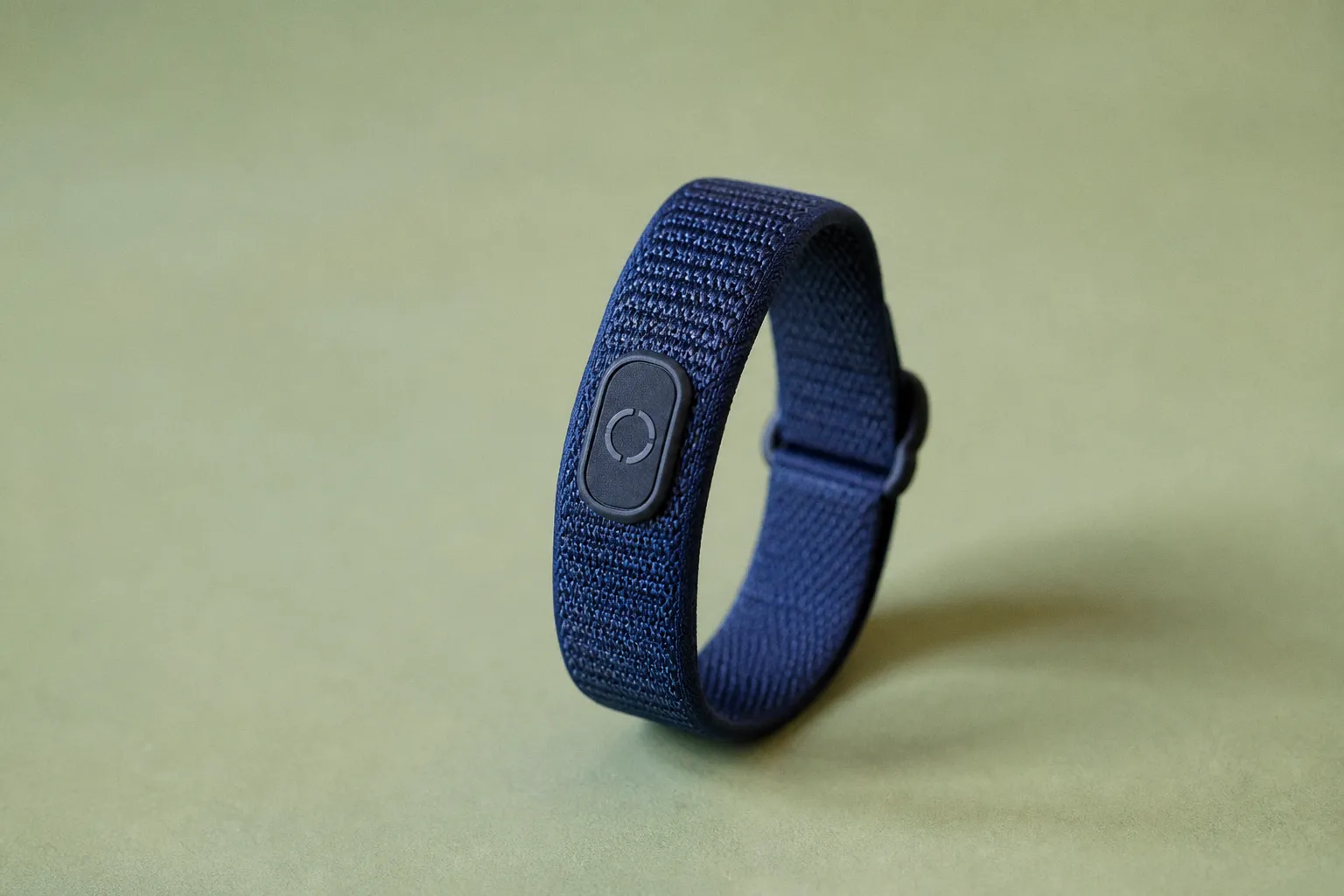
For trail runners and hikers, that is the real story—not another gadget, but a band designed to stay out of the way while the work gets done. Yahoo Tech also reports that the Cirqa arrives without a required subscription.
A tracker that does not interrupt the session
The Cirqa records sleep, recovery, VO2 fitness scores and activity levels, with the data routed to the Garmin Connect phone app. That screen-free approach matters when you are grinding uphill, managing cadence on technical trail, or trying to stop turning every easy run into a pace-checking contest.
There is one physical button. You can use it to start a favorite activity selected in Garmin Connect; other workouts can be auto-tracked or started in the app. Running and walking are among the auto-detected activities, though Forbes notes that the full list has not yet been detailed.
That is a sensible split. Start the session if you want a clean record. Then run. A tracker should support attention, not shred it.
The hardware is practical, not magical
Cirqa uses fabric straps with a Velcro-style closure, available in S/M and L/XL, and comes in black, Captain blue, French Gray and Mauve. The central unit is 27 mm wide, paired with a 24 mm strap. Fit matters more than color here: loose optical sensors and hard efforts are a bad combination.
The band has 5ATM water resistance, so showers and pool sessions are within its stated use. Do not confuse that with a green light for diving or deeper snorkeling.
Garmin rates battery life at up to 10 days and uses its familiar four-pin charging connector. Ten days is enough to cover a training block, a long weekend out, and the boring recovery days in between—assuming you actually charge it before the warning becomes a problem.
The recovery-data question comes down to discipline
Forbes says Cirqa appears to use a Garmin Elevate sensor array similar to that in more affordable Garmin watches: two LED elements, including red LEDs for blood-oxygen measurement, plus four surrounding light sensors. Higher-end Garmin wearables use additional LED blocks intended to improve signal reliability during exercise.
Read that correctly. Cirqa may give you useful trends. It does not give you permission to outsource judgment.
If sleep is wrecked, legs are flat, and your kinetic chain is already protesting on descents, a recovery score is not a hall pass to torque through intervals. Use the data to spot patterns across weeks. Pair it with how your stride feels, how you are sleeping, and whether you can hold form under load.
At $199.99, Cirqa is not cheap for a display-free band. But Garmin’s no-mandatory-fee model is a legitimate differentiator against subscription-based trackers. The broader tech world can keep pushing on-chain yield strategies for Bitcoin holders; backcountry athletes should care about whether the device helps them train consistently without adding another recurring bill or another screen to stare at.
Cirqa’s value will come down to one hard test: whether its data helps you manage load distribution and recovery without becoming another excuse to avoid listening to your body.