Adapting Your Race Strategy When Trail Conditions Shift
Ultra Running Magazine’s July 19 recap puts the hard fact first: Cascade Crest 100 had to use a modified out-and-back course to avoid wildfire-affected sections.
Clay Masterson, Backcountry Conditioning Expert & Gear Pragmatist·updated July 22, 2026
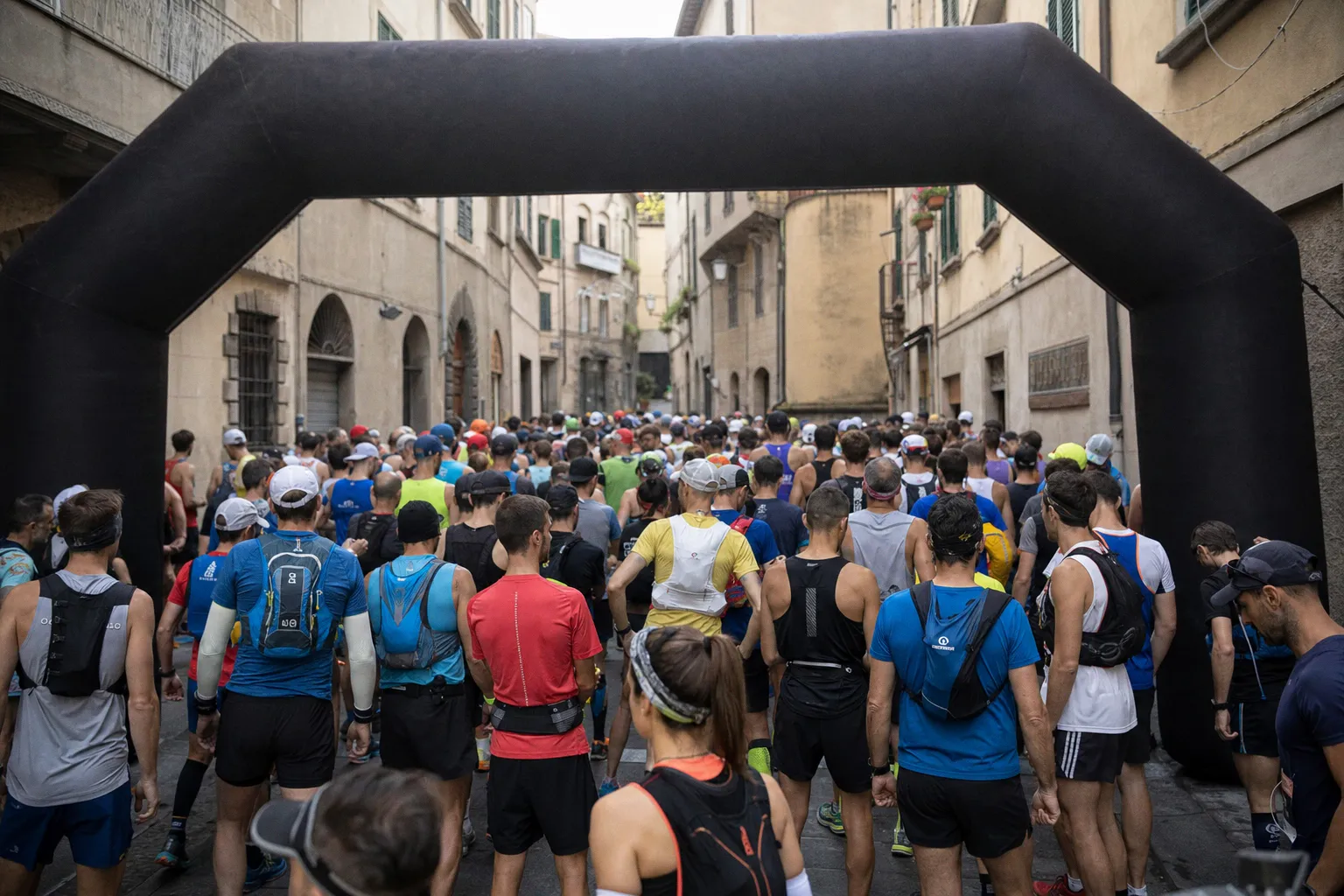
Devon Olson won the men’s race in 18:33:21; Andrea Tarras took the women’s title in 22:06:31. For trail runners, the result matters—but the route change matters more. Your race plan is only useful until the course, weather, or access situation torques it sideways.
Cascade Crest: the course is part of the workload
An out-and-back course changes the job. You revisit terrain instead of moving through it once. That can alter pacing decisions, fueling timing, and the mental grind of knowing exactly what is waiting on the return leg.
Don’t build a race strategy around a neat line on a GPX file. Build it around controllables: steady effort, dependable intake, foot care, and the ability to reset when the day stops matching the briefing. Wildfire impacts forced the adjustment at Cascade Crest. That is not a side note. It is the operating condition.
Olson’s 18:33:21 and Tarras’s 22:06:31 are winning performances on the course that actually existed—not the one runners may have expected months earlier. That distinction is worth keeping. Trail racing does not owe you a static product.
Engadin’s range is the useful signal
In Switzerland, the sixth Engadin Ultra Trail brought hundreds of runners onto multiple distances in the Upper Engadin. Christoph Seitz won the men’s EUT53, while Annabel Fisher won the women’s category.
That spread of distances is the part recreational runners should notice. You do not need to jump straight to the biggest number on the event schedule to prove you are serious. A shorter trail race still exposes the weak links: downhill braking, fueling under load, bad pacing, and the sloppy foot placement that starts shredding your legs long before your lungs quit.
Pick the distance that lets you race with intent, then recover well enough to train again. Heroic survival efforts make good social posts. Consistent training makes durable runners.
Participation is growing. Preparation still has to earn its place.
CULTRA marked its 10th edition with 3,600 runners from 33 countries, according to Bernama. More people are entering ultras and trail events across different formats. That does not make the work easier; it makes honest preparation more valuable.
The same goes for the gadget churn around running watches. TechRadar has published its 2026 roundup of GPS watches, but no watch can distribute load through your kinetic chain or stop you from going out too hot. Use the device to observe your pacing and navigation. Do not use it as a substitute for judgment.
And yes, the business machinery around sport keeps moving too—well beyond the trailhead, as seen in Walmart’s retail-media network expansion. Runners should stay focused on the simpler transaction: put in the miles, practice the terrain, and arrive ready to adapt when race day gets ugly.