How to Choose Trail Running Shoes Based on Terrain and Biomechanics
According to RunRepeat’s newly published 2026 running-shoe roundup, the “best” shoe is not a throne.
Clay Masterson, Backcountry Conditioning Expert & Gear Pragmatist·updated July 20, 2026
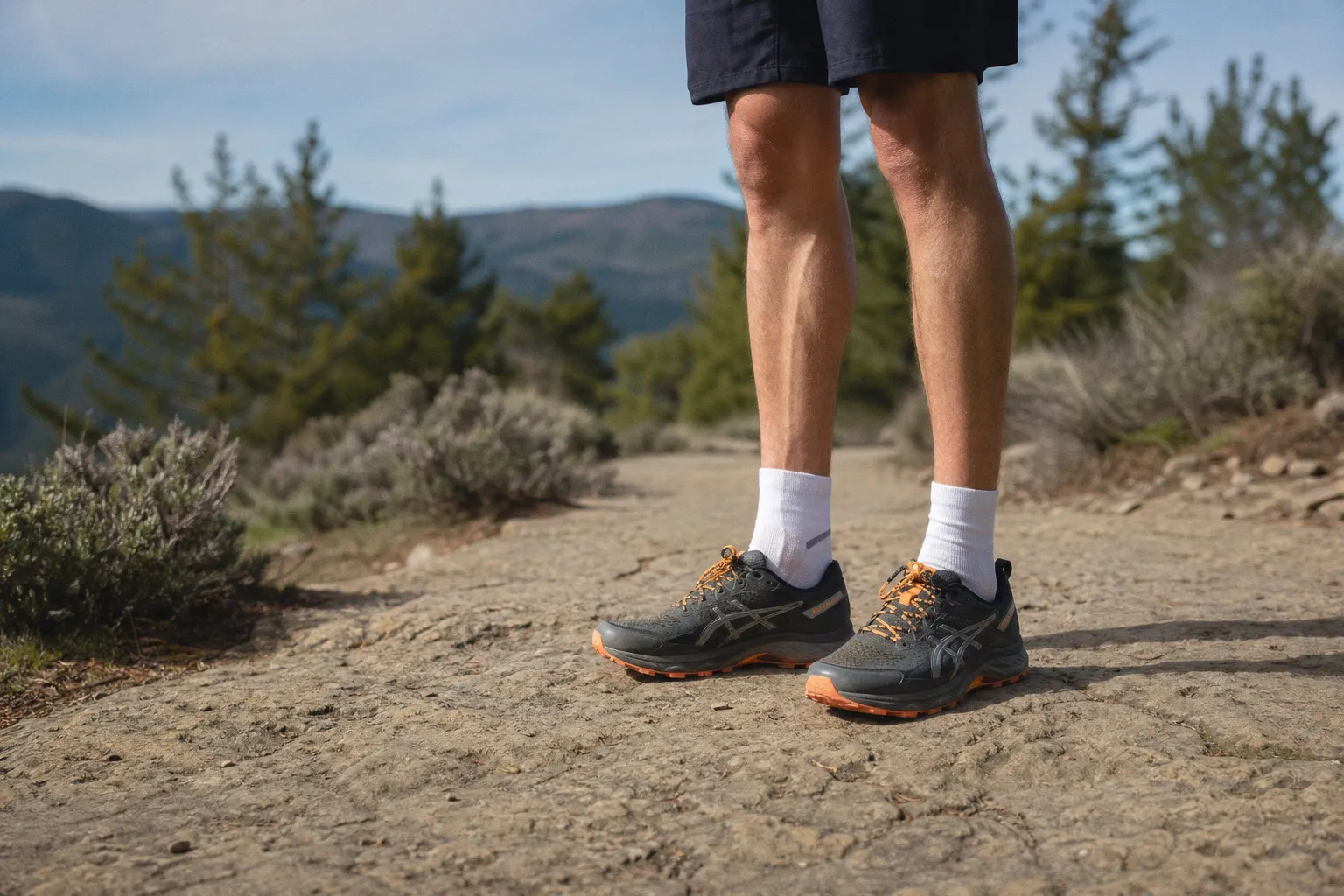
It is a job assignment. That matters for trail runners because too many of us keep trying to make one soft, fast, breathable trainer handle recovery miles, tempo work, rocky descents and a loaded weekend—then wonder why the kinetic chain starts barking.
The useful signal here is not a seven-shoe shopping list. It is the reminder that cushioning, flexibility, support and fit pull in different directions. Pick for the work. Not the marketing copy.
Cushion is not stability
RunRepeat’s testing highlights the Adidas Adizero EVO SL as a light, flexible option with a breathable upper and Lightstrike Pro foam. Its reported energy-return figures are high, and the platform is notably more flexible than the average shoe in the outlet’s bend test.
That sounds good for runners chasing an easy turnover on smoother ground. But RunRepeat also flags a narrow midsole and minimal support, specifically steering runners who need more structure elsewhere. Read that twice before you haul tired ankles down uneven trail.
A flexible shoe lets the foot work. Great—when your foot and lower leg can control the motion. When they cannot, every off-camber landing turns into a small torque problem at the ankle, knee and hip. A lively foam compound does not fix sloppy load distribution.
The daily trainer still has a limit
RunRepeat also names the New Balance 1080 v15 as an all-round daily trainer, pointing to a high-stack midsole, soft foam, relatively low weight and energy-return measurements intended to keep the ride responsive beyond easy running.
But the same report notes that its midsole is narrower than prior versions and may feel unstable for some runners because of its softness. There it is again: more cushion does not automatically mean more control.
For trail athletes, that distinction should shape the shoe rotation. Use a forgiving road trainer for the pavement miles that build aerobic volume. Use a purpose-built trail shoe when the route asks your feet to brake, brace and adapt. Trying to force a soft, narrow platform through technical terrain is not versatility. It is gambling with fatigue.
And no, a sale is not a biomechanical fit assessment. MassLive reports that On Cloud models are discounted at Nordstrom, with prices starting at $65, but a cheaper shoe that changes your stride for the worse is still expensive. The same goes for scarcity: The Atlantic’s recent headline points to the running shoes people cannot get their hands on. Don’t let limited availability make the decision for you.
Build the rotation around stress
Gear Patrol reports that Nike has taken two elite running shoes in very different directions. That split is the larger 2026 lesson. The category is fragmenting because running demands are fragmenting.
Start with the stress you need to absorb:
- Easy and recovery running: prioritize comfort and a stable landing over a snappy sensation.
- Tempo work: look for a shoe that keeps cadence moving without making your calves do all the work.
- Technical trails: prioritize foothold, protection and predictable control under lateral load.
- Race day: choose the tool only after you have trained in it enough to know what it does when form starts to shred.
Your shoes are part of the system, not the system itself. Strength, cadence, terrain exposure and recovery still decide whether the shoe helps or merely hides a weak link. If you are refining the rest of your training setup too, the practical side of connected lifestyle tech is worth treating with the same skepticism: useful tools earn their place only when they solve a real problem.
The hard truth: there is no universal best running shoe in 2026. There is only the pair that matches today’s workload—and the discipline to stop using it once the terrain or fatigue level asks for something else.