I’ve been testing stability running shoes for years, but these 3 are my absolute favorite pairs
A running coach who openly admits she's an overpronator just published her three favorite stability shoes after years of testing. Most runners will read that list, nod, and then grab the wrong pair for the terrain they actually run on.
Clay Masterson, Backcountry Conditioning Expert & Gear Pragmatist·updated July 09, 2026
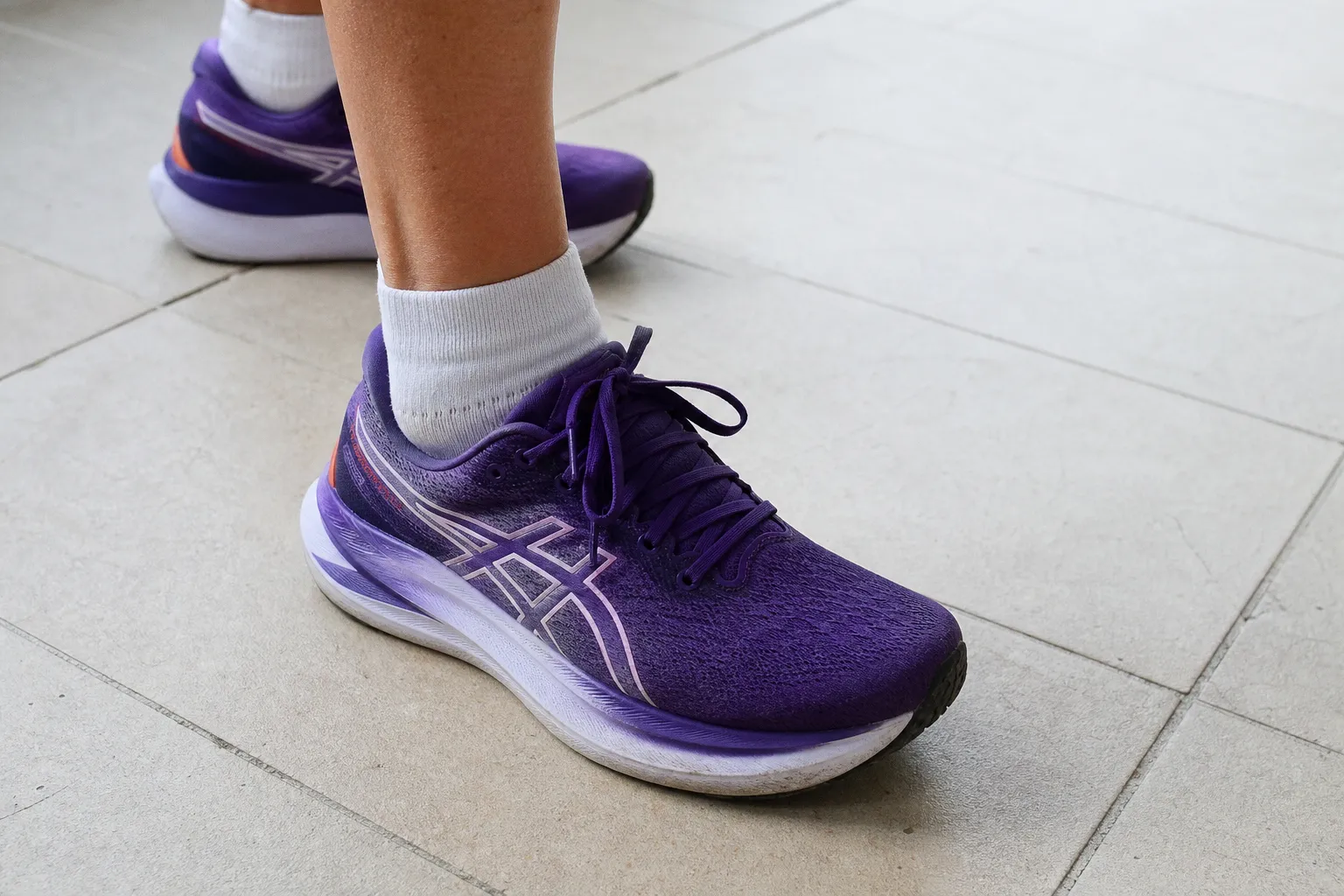
CNN's guide tested six road stability models and landed on three: a Brooks with nitrogen-infused foam and a rockered toe designed to push you forward on long or recovery runs, a Nike with tall heel cups and a ReactX midsole positioned as a form-correction tool, and a New Balance pitched at half- and full-marathon training mileage. The reviewer logged 50+ miles on the latter with no real wear. On flat, predictable surfaces, that lineup makes sense. It's a road-shoe conversation, and the piece never pretends otherwise.
But road stability and trail stability aren't the same engineering problem.
What road stability actually does
Road stability shoes guide your foot into a neutral position through medial posts, firm midsoles, and structured heel cups. That architecture assumes consistent, level ground. Push it onto a cambered rock, a wet root, or a loose scree field, and the locked-down heel cup that helps your pronation becomes irrelevant. The forces hitting your ankle are lateral and unpredictable. No medial post was built to absorb that.
As Steph Kessel, lead coach at Runna by Strava, told CNN: there's no single "best" stability shoe, and your gait, foot shape, and injury history carry more weight than any listicle.
Translation: a shoe that corrects your pronation on flat ground won't keep your ankle from rolling on a side-hill descent. Different problem, different hardware.
What trail shoes actually solve
Runner's World dropped its updated trail shoe roundup this week, and the contrast is sharp. Trail platforms are built for grip, rock plate protection, drainage, and lugged outsoles — none of which a road stability shoe brings to the dirt. The Hoka Speedgoat 7, one of the picks, runs Vibram Megagrip with 5mm lugs and supercritical EVA foam at a 36mm heel / 29mm forefoot stack. No formal stability post, because the goal isn't to guide your foot into a neutral position. It's to keep the shoe planted under your foot through chatter, roots, and loose terrain.
If you overpronate and most of your running is on dirt, you want a stability trail shoe, not a road model dragged into the woods. If you split your time, use the road shoes for what they actually do and keep a dedicated trail shoe for everything else. Two pairs. Each does one job. Stop forcing the wrong tool into the wrong terrain.
What I'm watching
TUDOR reportedly picked up a partnership with the UTMB World Series this week. Specific athlete rosters and terms weren't disclosed in the announcement. What matters: watch brands are now investing directly in trail racing, which means more field testing in real mountains. Watch where that money flows. The trail-specific gear development that follows will be built around the athletes who actually race this stuff — not the office floor demos we keep getting marketed at.