The best On walking shoes, according to experts
Walking shoes are getting the expert-treatment this week, and On is right in the middle of it. CNN’s latest expert roundup puts several On models under the microscope with podiatrists weighing in on stability, cushioning, gait support, and joint comfort.
Clay Masterson, Backcountry Conditioning Expert & Gear Pragmatist·updated July 14, 2026
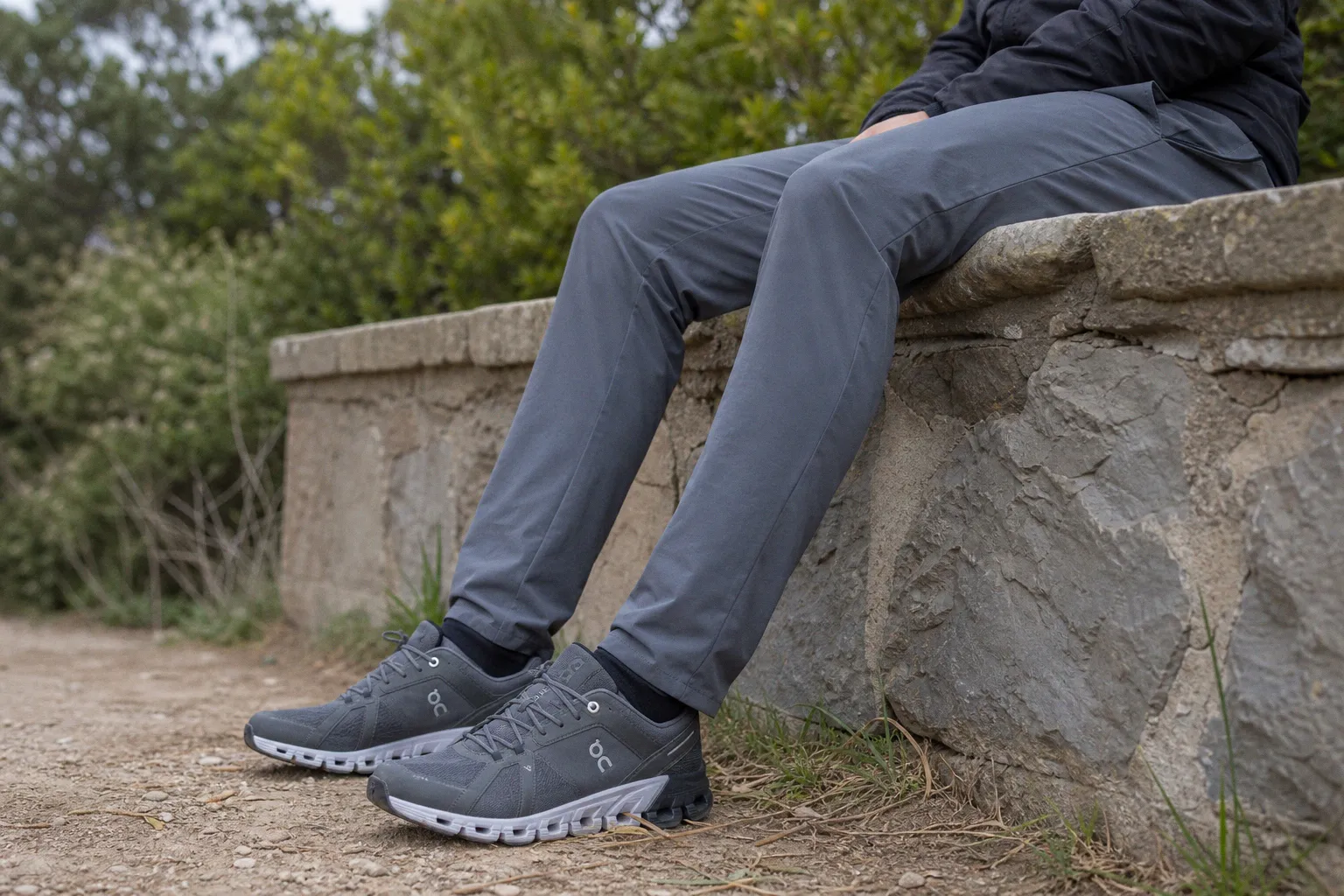
On’s walking lineup is being judged on support, not style
CNN’s piece leans on podiatrist recommendations, and the useful part is not the brand halo. It’s the biomechanical filter.
Dr. Brandon Maijala, a board-certified podiatrist cited by CNN, picked the On Cloudrunner 3 for walkers who need more support and stability. The callouts were specific: a wider base than the previous version, supportive heel cups, higher sidewalls, cushioned heels, and cushioned tongues. Translation: the shoe is being praised for controlling slop when fatigue starts messing with your stride.
That is the part most people ignore. A walking shoe has to keep working after your cadence gets lazy, your hips stop firing cleanly, and your foot strike starts wandering. A wider base and better heel hold can matter more than whatever futuristic midsole cutouts look good on a shelf.
CNN also notes rubber outsoles for traction and durability, positioning the Cloudrunner 3 as a solid walking option for rainy days, lots of miles, and rough trails. Don’t confuse that with a technical trail shoe endorsement. But for mixed daily mileage where pavement, wet sidewalks, and mild dirt paths all show up, outsole bite is not decoration. It is insurance.
Cushioning helps — until it starts stealing ground feel
The Cloud 6 gets a different job in CNN’s reporting. Dr. Mikel Daniels, a board-certified podiatric surgeon, recommends it for people who spend a lot of time on their feet. He points to a lightweight, flexible CloudTec midsole that gives cushioning without bulk, plus a slip-on design meant to be hands-free while still holding a secure fit.
That use case is clear: long days, errands, commuting, airports, clinic floors, office-to-walk transitions. CNN also cites balanced cushioning and built-in rockers as features Daniels says can support a natural gait over longer distances.
Then there’s the Cloudmonster line. Maijala’s take, as reported by CNN, is that it suits walkers who want more cushioning and shock absorption, especially heavier walkers or older users. He also notes the high-cushion platform and a moderate 6-millimeter heel-to-toe drop, saying that drop can help reduce repetitive-impact stress during long walks.
But here’s the hard coaching note: more foam is not automatically more functional. CNN specifically flags that people with balance issues may want a different pair, such as the Cloud 6 Versa, because less-plush padding can allow more ground feel and improve stability. That is the sentence worth underlining. If your ankles hunt for control on uneven ground, max cushion can turn into a wobble platform.
Wide toe boxes also came up in Maijala’s comments on the Cloudmonster, with room for toes to splay properly during walking or running. That matters. Toe splay is part of propulsion and balance. Cram the forefoot, and you tax the whole kinetic chain.
The bigger walking-shoe signal: recovery miles are still miles
Runner’s World is also pushing the walking-shoe conversation, but from a broader testing angle. Its recent walking-shoe roundup says speed and responsiveness take a back seat to padding, support, and durability when the job is walking. That is the right hierarchy.
The outlet says it based picks on staff testing that included neighborhood power walks, dog walking, city wandering, and other everyday mileage, while using expert input and community cross-checks for shoes not tested in-house. It also highlights that running shoes can help reduce impact across daily movement, whether you are strolling, rushing, power walking, half-jogging, or occasionally running.
One model Runner’s World calls out is the Asics Gel-Cumulus 28 for pavement-heavy walking days. The article points to FF Blast+ foam, heel gel cushioning, a breathable structured upper, toe room for natural spread, and a heel counter meant to hold without biting. It also frames the shoe as useful for dedicated walkers or runners who want a recovery-day option.
That is the practical takeaway for our lane. If you run trails, hike loaded, or stack outdoor workouts through the week, your “easy walking” footwear still affects tissue stress. Recovery walks are not junk volume. They are repetitive loading. Choose shoes that match the job: stable when you’re tired, cushioned enough for hard surfaces, roomy enough for toe splay, and not so soft that your balance gets shredded.
A couple of retail signals are also circling the category: OregonLive reports On Cloud running shoes among Nordstrom Anniversary Sale preview deals, while El Paso Times reports popular Hoka shoes at 20% off at Nordstrom. Fine. Sales are useful. But don’t let a discount pick your mechanics. Fit and function first. Price second. Your knees do not care what was marked down.